
About us
Learn why UAL Online is a fantastic choice to study an MA online. Our online postgraduate courses are taught 100% remotely, with outstanding support for students.
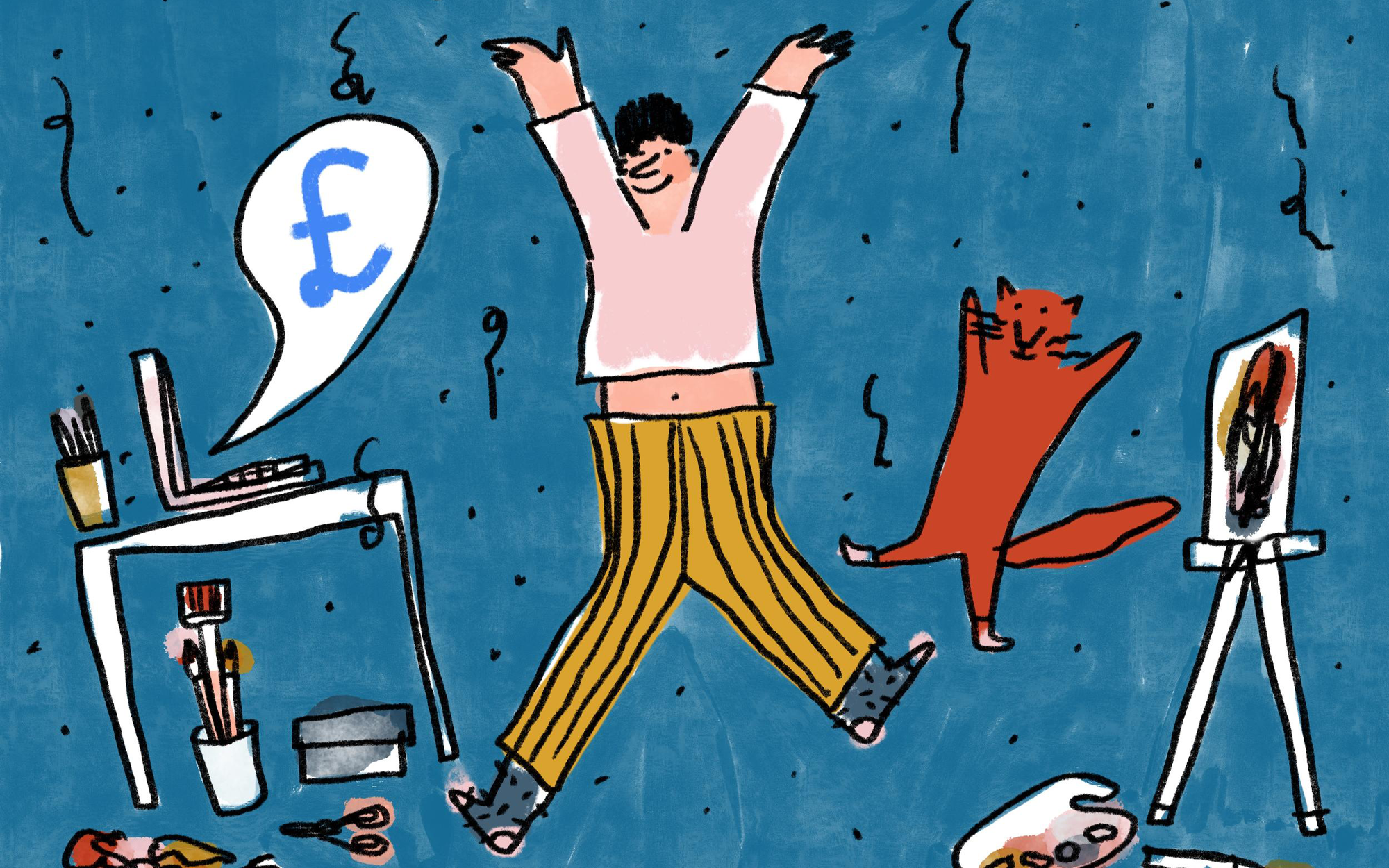
The demand for illustrators with creative agility and conceptual depth continues to grow. A discipline once associated mainly with books, magazines and print media, illustration now operates with and within cultural institutions, archives, learning programmes and community projects. Today’s illustrators are no longer just a visual stylist - they are a researcher, storyteller and cultural contributor with a layered, ethical and transdisciplinary practice.
If you're exploring a career in illustration, instead of asking what job can you get, ask how adaptable your practice is in a rapidly changing industry?
Careers in illustration are shifting away from narrowly defined roles tied to a recognisable style. Instead, the role of the illustrator is expanding into more fluid, hybrid practices that combine research, authorship, and critical engagement.
In a landscape shaped by new platforms and AI - where illustration is often seen only as an aesthetic - the creatives who thrive are those who expand what illustration does rather than what it looks like. What impact do you want to make? What do you want to say? It's not just about skills, it's about making meaningful work that is ethically engaged.
The industry is seeing illustrators reposition themselves as:
This evolution is opening new illustration career opportunities, but it also requires a broader skill set and deeper critical awareness.
With contemporary illustrators no longer fixed to a single way of working, there is no clear career path in illustration anymore. Today, practitioners are adaptive across disciplines, building portfolios that combine multiple roles and modes of practice.
Here are just some of the pathways shaping illustration careers today.
The growth of digital platforms, AI and immersive media has created new opportunities for illustration - not as a tool to outsource creativity, but as a method for co-production and critical engagement.
Illustrators who understand systems, narrative and context might seek roles in:
Many illustrators' careers are freelance and independent. Entrepreneurial practitioners combine commissioned work with projects, exhibitions and publishing. Roles include:
Illustrators are not just operating online. It’s how they practice in the offline world that is generating new ways of working. To stay relevant today, creatives might build projects that hold complexity across disciplines, in positions such as:
Although more traditional, illustrators continue to shape how stories are told. However, publishing has evolved too, expanding into digital platforms, experimental formats and hybrid image-text practices. Roles might involve:
Illustrators might choose to push the boundaries between illustration, design and visual communication roles, blending them across:
For some, gaining an MA and PhD leads to academic and research-focused pathways, particularly in institutions and cultural sectors. Often, academics work on their personal practice alongside their job roles such as:
In today’s technology-driven world, there is still a demand for craft and highly skilled producers. Illustrators continue to work in roles that incorporate:
Essential skills for a successful illustration career:
The illustration industry is expanding thanks to new technologies reshaping visual production. Cultural institutions are demanding ethical engagement and AI is redefining authorship. Choosing not to expand your practice alongside the evolution might become detrimental to your career in the future. For many illustrators, that might mean taking time to refine or expand their methods, develop their research and build a practice that can move confidently across disciplines and adapt to change.
So, whether you want to grow as an educator, activist, entrepreneur, artist, designer or researcher (or a blend of many), now feels like a defining moment to rethink where your illustration career could take you.
Learn why UAL Online is a fantastic choice to study an MA online. Our online postgraduate courses are taught 100% remotely, with outstanding support for students.

Discover what online learning looks like at UAL Online. Find out more about teaching, learning, assessments, student support and much more!

Learn why UAL Online is a fantastic choice to study an MA online. Our online postgraduate courses are taught 100% remotely, with outstanding support for students.